The Mincing Mockingbird Guide to Troubled Birds is a uniquely humorous illustrated field guide, designed to help identify North American birds exhibiting disturbed behaviors.
This pocket-sized resource quickly pinpoints psychotic, violent, or mentally unstable bird species, offering a darkly comedic perspective on avian life.
Prepare to encounter deranged malefactors and feathered fiends, all meticulously documented for the discerning (and cautious) birdwatcher!
The Premise of the Mincing Mockingbird Guide
The core idea behind the Mincing Mockingbird Guide stems from a playful, yet observant, reimagining of traditional birdwatching. Instead of celebrating idyllic avian beauty, it focuses on the darker side of bird behavior – aggression, instability, and outright psychosis.
The guide playfully presents birds not as peaceful creatures, but as potentially “deranged malefactors” ready to unleash chaos. It’s a satirical take, highlighting territorial disputes and unusual vocalizations with a humorous lens.
Essentially, it’s a field guide for avoiding encounters with the most troubled birds in North America, offering a unique and darkly funny perspective on the natural world.
Target Audience and Tone
The Mincing Mockingbird Guide appeals to a broad audience, including birdwatchers seeking a humorous twist, lovers of dark comedy, and those fascinated by unconventional nature observation. It’s designed for anyone who appreciates a satirical perspective.
The tone is decidedly tongue-in-cheek, employing witty descriptions and playful language to characterize birds as “psychotic” or “violent”. It’s a deliberately exaggerated style, meant to entertain and provoke thought.
While humorous, the guide also subtly offers social commentary through its portrayal of avian behavior, making it a surprisingly engaging read.
Identifying Psychotic Bird Behavior
The guide details recognizing aggression, unusual vocalizations, and disturbed patterns in birds. It helps pinpoint species displaying violent or mentally unstable tendencies.
Look for deranged actions!
Signs of Aggression and Violence
The Mincing Mockingbird Guide meticulously catalogs displays of avian hostility. Aggression manifests as direct attacks, relentless dive-bombing, and fiercely defended territories – especially concerning judgmental parrots.
Violent behaviors include persistent harassment of other birds or even humans, coupled with unusually loud and agitated vocalizations. Watch for sustained, focused attacks, indicating a disturbed mental state. Angry hummingbirds are notorious for disproportionate responses, while deranged birds may exhibit unpredictable outbursts.
Be aware of escalated territorial disputes!
Recognizing Unusual Vocalizations
The Mincing Mockingbird Guide highlights that disturbed birds often deviate from typical songs. Unusual vocalizations include excessively loud, repetitive calls, frantic chirping, and seemingly nonsensical sound combinations. Mockingbirds, ironically, showcase mimicry gone wrong – replicating sounds with aggressive intent.
Pay attention to the tone; agitated squawks and harsh screeches signal distress or hostility. Violent species may utilize vocalizations to intimidate or provoke. A lack of typical song structure can also be a warning sign, indicating a fractured mental state.
Listen carefully for anomalies!
Observed Patterns of Disturbed Behavior
The Mincing Mockingbird Guide details recurring behavioral patterns in troubled birds. These include unprovoked attacks, obsessive territorial defense, and a general lack of fear towards humans. Aggression and violence are key indicators, often escalating without apparent cause.
Judgmental parrots exhibit extreme possessiveness, while angry hummingbirds display relentless, targeted harassment. Disturbed mockingbirds may fixate on inanimate objects, attacking reflections or shadows. Observe for erratic flight patterns and unusual perching habits.
Consistent, atypical behavior is crucial!
Key Troubled Bird Species – Eastern Region
Eastern regions host notably disturbed avian populations, including angry hummingbirds, judgmental parrots, and the particularly aggressive deranged blue jay, as detailed within.
The Angry Hummingbird: A Profile
Hummingbirds, typically symbols of delicate beauty, are revealed as surprisingly volatile creatures in the Mincing Mockingbird Guide. These tiny dynamos exhibit disproportionate rage, aggressively defending feeders with relentless dives and shrill vocalizations.
Their territoriality borders on psychotic, attacking anything perceived as a threat – including humans! The guide notes a disturbing trend of sustained, focused hostility.
Identifying features include a perpetually furrowed brow (if hummingbirds had brows) and an unnerving intensity in their beady eyes. Approach with extreme caution!
Judgmental Parrots and Their Territories
Parrots, renowned for their intelligence, are depicted in the Mincing Mockingbird Guide as intensely territorial and remarkably judgmental. They establish expansive domains, fiercely guarding them against all intruders with piercing squawks and aggressive posturing.
The guide highlights their uncanny ability to seemingly assess your worthiness before allowing passage, often accompanied by a disapproving glare.
Expect aerial harassment and a barrage of critical vocalizations if you dare encroach upon their perceived property. These birds are not amused!
The Deranged Blue Jay: Common Aggressions
Blue Jays, as profiled in the Mincing Mockingbird Guide, are notorious for their brazen and often unprovoked attacks. These strikingly colored birds exhibit a penchant for dive-bombing, targeting heads and necks with startling accuracy.
Their aggressive behavior extends to relentless scolding, mimicking hawk calls to create chaos, and outright theft from other birds.
Expect a vocal and physical assault if you venture too close to their nests or simply exist within their expansive, self-declared territory. Caution is advised!
Key Troubled Bird Species – Western Region
The Mincing Mockingbird Guide details Western avian instability, featuring aggressive Crows, disturbed Mockingbirds with mimicry issues, and territorial Northern Flickers.
Aggressive Crows and Raven Behavior
The Mincing Mockingbird Guide meticulously documents the unsettling behaviors of Western crows and ravens. These intelligent birds, while fascinating, can exhibit startling aggression, particularly during nesting season.
Expect dive-bombing attacks, relentless mobbing of perceived threats (including humans and pets!), and a general air of menacing intelligence. The guide highlights their territoriality and propensity for coordinated harassment.
Ravens, larger and often bolder, are noted for their particularly unsettling stares and seemingly calculated acts of avian delinquency. Identifying these behaviors is crucial for safe observation.
Disturbed Mockingbirds: Mimicry Gone Wrong
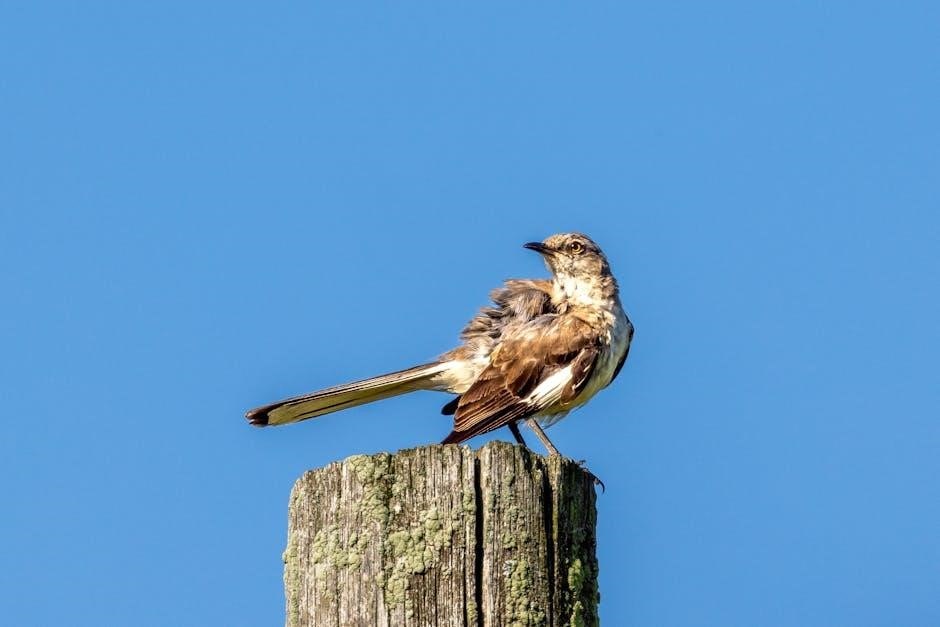
The Mincing Mockingbird Guide details how the Northern Mockingbird’s famed mimicry can devolve into unsettling displays. While typically imitating other birds, disturbed individuals incorporate jarring, inappropriate sounds – car alarms, human voices, even mechanical noises – into their repertoire.
This isn’t playful imitation; it’s a chaotic, unsettling sonic assault. The guide notes increased aggression accompanying this behavior, suggesting a breakdown in normal communication. Expect relentless, bizarre vocalizations and territorial displays.
Identifying this “mimicry gone wrong” is key to recognizing a truly troubled bird.
The Violent Northern Flicker: Territorial Disputes
The Mincing Mockingbird Guide highlights the Northern Flicker’s surprisingly aggressive tendencies, particularly during breeding season. While generally foraging peacefully, Flickers become fiercely territorial, engaging in violent disputes over prime nesting sites and feeding grounds.
These aren’t polite squabbles; the guide describes escalated confrontations involving direct physical attacks – pecking, clawing, and even aerial ramming. Expect loud, persistent drumming and agitated displays as warning signals.
Recognizing these behaviors is crucial for avoiding unwanted encounters with these surprisingly combative birds.
Field Guide Illustrations and Identification
The Mincing Mockingbird Guide utilizes abundant illustrations to easily identify “feathered fiends,” focusing on visual cues and behavioral indicators for quick recognition.
These depictions aid in spotting disturbed birds, even at a distance.
Importance of Visual Cues
Visual cues are paramount within The Mincing Mockingbird Guide, as identifying a “troubled bird” often relies on subtle, yet critical, physical indicators.
The guide’s illustrations meticulously detail plumage anomalies, aggressive postures, and unsettling facial expressions – characteristics signaling a bird’s unstable state.
These aren’t typical birdwatching observations; instead, the focus shifts to recognizing signs of agitation, territoriality, or outright malice, allowing for rapid assessment and safe distancing.
Paying attention to these visual signals is crucial for avoiding potentially hostile encounters with these feathered, and frankly, disturbed individuals.
Using the Guide for Quick Identification
The Mincing Mockingbird Guide prioritizes swift and accurate identification of problematic avian species in the field.
Each species profile offers concise descriptions of key behavioral traits and accompanying illustrations, enabling rapid assessment of a bird’s “troubled” status.
Utilize the visual cues highlighted – posture, plumage, and facial expressions – to quickly determine if a bird exhibits signs of aggression or instability.
This pocket guide empowers users to proactively avoid encounters with potentially violent or psychotic birds, ensuring a safer birdwatching experience.
Understanding Behavioral Indicators in Illustrations
The Mincing Mockingbird Guide’s illustrations aren’t merely artistic representations; they’re crucial tools for deciphering avian distress.
Each depiction meticulously captures subtle behavioral cues – a narrowed gaze, aggressive posture, or ruffled feathers – indicative of a “troubled” bird.
Pay close attention to exaggerated features and body language, as these visually communicate the bird’s potential for violence or instability.
These detailed illustrations allow for quick, informed assessments, even from a safe distance, enhancing your ability to identify feathered fiends.
Avoiding Encounters with Troubled Birds
Maintain safe distances and observe from afar when identifying potentially disturbed birds, protecting both yourself and your pets from aggressive avian encounters.
Safe Distances and Observation Techniques
Prioritize personal safety when observing potentially troubled birds. The Mincing Mockingbird Guide emphasizes maintaining a considerable distance – a minimum of twenty feet is advisable, increasing with larger, more aggressive species like crows or ravens.
Utilize binoculars for detailed observation without encroaching on their territory. Avoid direct eye contact, which can be perceived as a threat. Note behavioral cues – agitated flapping, persistent vocalizations, or focused staring – and retreat immediately if observed.
Remember, these birds are documented as exhibiting unstable behaviors, so cautious observation is paramount for a safe and informative experience.
Protecting Yourself and Your Pets
Protecting yourself and your pets is crucial when encountering troubled birds detailed in the Mincing Mockingbird Guide. Keep pets leashed and under strict control, as their curiosity could provoke an attack from aggressive species like Blue Jays or Northern Flickers.
Carry an umbrella or wear a hat for physical protection during potential encounters. Avoid wearing bright colors or making sudden movements that might agitate the birds. Supervise children closely and educate them about respecting bird territories.
Be prepared to calmly retreat and seek shelter if a bird displays threatening behavior.
Understanding Bird Territories
Understanding bird territories is paramount when navigating areas inhabited by troubled species, as outlined in the Mincing Mockingbird Guide. Aggressive behaviors often stem from defending nesting sites or food sources. Judgmental Parrots and Angry Hummingbirds are particularly territorial.
Observe from a safe distance, respecting established boundaries. Avoid entering areas with visible nesting activity or abundant food sources. Recognizing territorial displays – such as vocalizations or posturing – allows for proactive avoidance of conflict.
Respecting these boundaries minimizes encounters with disturbed birds.
The Humor and Satire of the Guide
The Mincing Mockingbird Guide employs dark humor and satire, presenting birds as “deranged malefactors,” offering social commentary through exaggerated avian behaviors.
It appeals to those who appreciate a unique, comedic lens on nature observation.
The Author’s Intent and Perspective
Matt Adrian’s intent with The Mincing Mockingbird Guide to Troubled Birds isn’t simply ornithological; it’s a subversive commentary delivered through a darkly humorous lens. He deliberately peels back idealized nature portrayals, revealing birds not as peaceful creatures, but as potentially “deranged” and aggressive entities.
Adrian’s perspective is rooted in observational humor, exaggerating avian behaviors to mirror human flaws and anxieties. The guide isn’t meant to instill fear, but to provoke thought and offer a fresh, satirical take on our relationship with the natural world, challenging conventional perceptions.
Social Commentary Through Bird Behavior
The Mincing Mockingbird Guide utilizes bird behavior as a vehicle for social commentary, subtly mirroring human societal issues. The “judgmental parrots” and “angry hummingbirds” become stand-ins for recognizable personality types and interpersonal conflicts.
Adrian’s satirical approach highlights anxieties surrounding territoriality, aggression, and mental instability, prompting reflection on these themes within human society. By attributing these traits to birds, the guide offers a distanced, humorous critique of our own behaviors and societal norms.
The Appeal of Dark Humor in Nature Observation
The Mincing Mockingbird Guide’s appeal lies in its unexpected blend of nature observation and dark humor. It subverts the traditionally serene image of birdwatching, presenting a world where avian creatures are prone to psychosis and violence.
This comedic twist resonates with audiences seeking a fresh, unconventional perspective. The guide’s humor isn’t dismissive, but rather a coping mechanism for acknowledging the often-uncomfortable realities of the natural world, offering a darkly amusing lens through which to view it.
The Mincing Mockingbird Guide – Editions and Availability
The Mincing Mockingbird Guide to Troubled Birds is available in various editions, including signed copies and collectibles, through retailers like AbeBooks, Amazon, and Etsy.
First Edition Details
The first edition of The Mincing Mockingbird Guide to Troubled Birds, published in 2022, quickly gained popularity for its unique and darkly humorous approach to birdwatching. This initial printing features the original illustrations and witty descriptions of avian miscreants.
Collectors particularly seek out first edition copies due to their limited availability and the book’s growing cult following. Identifying a true first edition often involves checking for specific publisher markings and print run details, making it a prized possession for enthusiasts.
The guide’s initial success paved the way for subsequent printings and wider distribution, but the first edition remains highly sought after.
Signed Copies and Collectibles
Signed copies of The Mincing Mockingbird Guide to Troubled Birds are highly coveted by collectors and fans of Matt Adrian’s work. These autographed editions often appear on platforms like Etsy and AbeBooks, commanding a premium price due to their rarity and personal touch.
Beyond signed copies, limited edition prints of the book’s illustrations and related merchandise also contribute to the collectible market. Early editions, in pristine condition, further increase in value over time.
These items represent a unique opportunity to own a piece of this darkly humorous avian phenomenon.
Current Availability and Retailers
The Mincing Mockingbird Guide to Troubled Birds is readily available through a variety of retailers. Major booksellers like Amazon consistently stock the guide, offering both new and used copies. Random House Publishing Group also provides access to the book through their official channels.
Independent bookstores and online marketplaces, such as AbeBooks, frequently carry the title as well. Checking local bookshops and online platforms ensures the best pricing and shipping options.
As of today, December 4th, 2025, the guide remains in print and accessible to bird enthusiasts.
Future of the Guide and Potential Expansions
Potential expansions include new species profiles and a global reach, alongside digital adaptations with interactive features for a broader audience of bird lovers.
Possible Inclusion of New Species
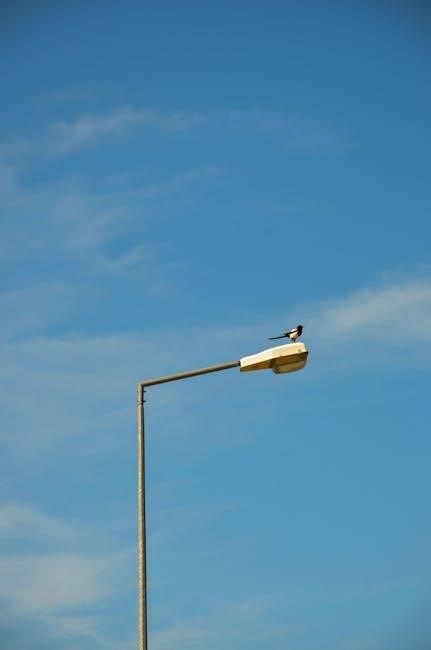
Future editions of The Mincing Mockingbird Guide could significantly expand its catalog of troubled avian subjects. Currently focusing on North American birds, the author may explore adding species from Europe, Asia, and beyond, documenting their unique brand of feathered fury.
Consideration is being given to including birds often overlooked in traditional field guides – those exhibiting subtle, yet unsettling, behavioral quirks. This expansion would cater to a growing audience fascinated by the darker side of nature, offering a comprehensive, albeit cynical, view of the bird world.
The selection process will prioritize species with documented aggressive tendencies or demonstrably unstable personalities, ensuring the guide maintains its signature blend of humor and unsettling observation.
Expansion to Global Bird Populations
A truly ambitious goal for The Mincing Mockingbird Guide is a worldwide scope, documenting troubled birds across the globe. This expansion would necessitate extensive research into avian behavior in diverse ecosystems, identifying species exhibiting similar “disturbed” traits as those found in North America.
Imagine a guide detailing the aggressive tendencies of Australian magpies or the unsettling mimicry of Asian drongos! Such a project would require collaboration with ornithologists and bird enthusiasts internationally, ensuring accuracy and cultural sensitivity.
Ultimately, a global edition would solidify the guide’s position as the definitive (and darkly humorous) resource for identifying feathered fiends worldwide.
Digital Adaptations and Interactive Features
The future of The Mincing Mockingbird Guide undoubtedly includes a robust digital presence. An interactive app could feature bird song analysis, allowing users to identify troubled birds by their unusual vocalizations. Imagine a “troubled bird sighting” map, crowdsourcing data on aggressive avian encounters!
Augmented reality features could overlay behavioral warnings onto live camera views of birds. Furthermore, a digital version could host expanded profiles, videos, and user-submitted anecdotes, enriching the overall experience.
These adaptations would enhance accessibility and engagement, solidifying the guide’s appeal to a wider audience.